CyberKnife
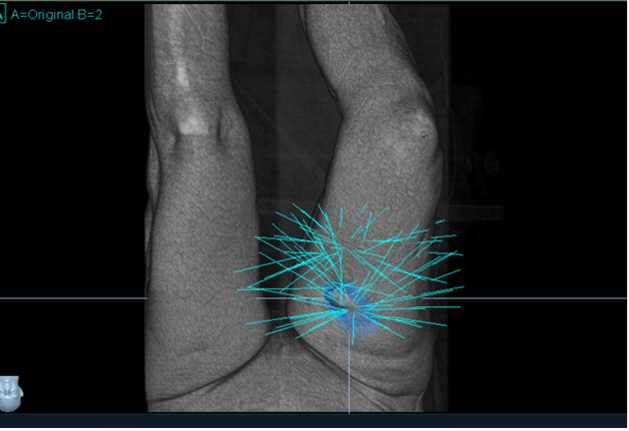
CyberKnife® Experience: Locally Advanced Melanoma
This case study demonstrates the versatility of the CyberKnife® Treatment Delivery System enabling treatment to be delivered to complex and challenging cases.


This case study demonstrates the versatility of the CyberKnife® Treatment Delivery System enabling treatment to be delivered to complex and challenging cases.
Two large prospective, multi-institutional clinical studies report excellent clinical outcomes and low toxicity in localized prostate cancer patients. These studies provide robust clinical data supporting the efficacy of the CyberKnife® System in delivering ultra-hypofractionated stereotactic body radiotherapy (SBRT) for patients with low- and intermediate-risk prostate cancer. The following table describes
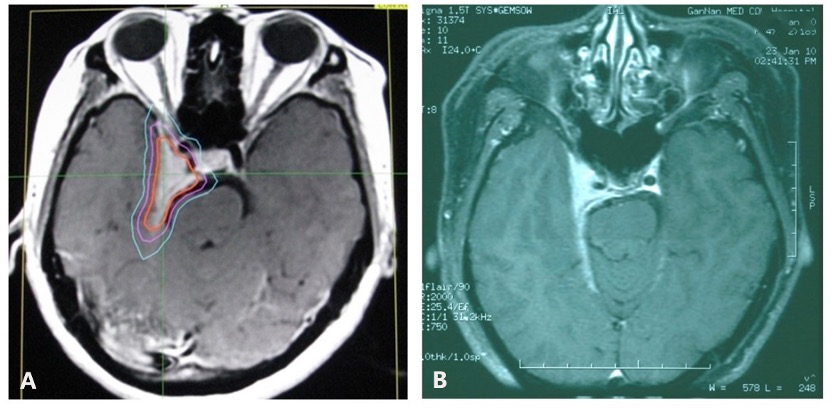
Established in October 2007, the Huashan Hopsital CyberKnife Center at Fudan University is one of China’s earliest facilities of its kind.
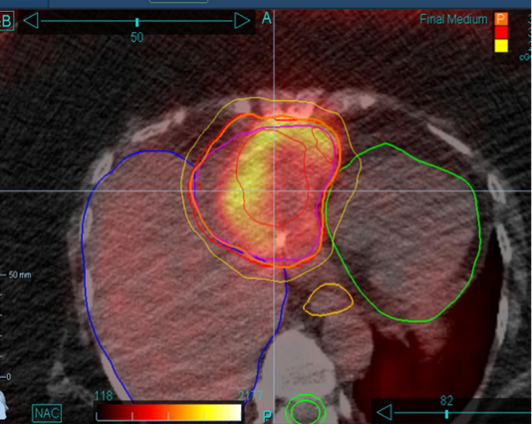
This case study demonstrates the versatility of the CyberKnife® Treatment Delivery System enabling treatment to be delivered to complex and challenging cases.
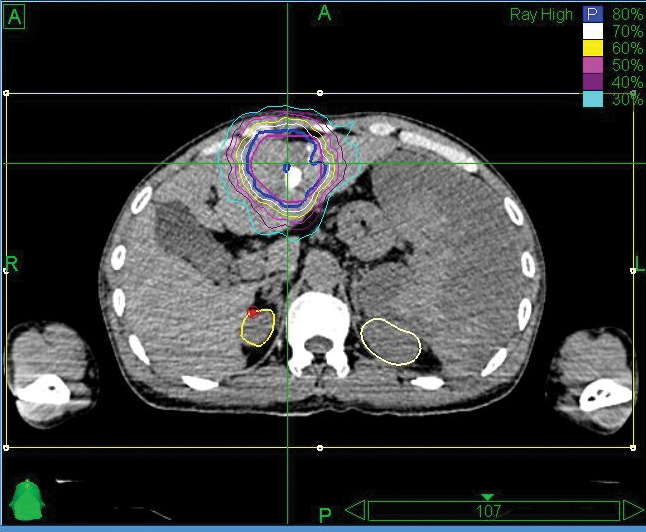
A 42-year-old male with chronic hepatitis B was initially diagnosed with primary liver cancer. He received radiofrequency ablation. Then an MRI revealed recurrence in front of the original lesion. The patient underwent interventional therapy in March 2012, but was hospitalized a month later when a CT showed a residual tumor
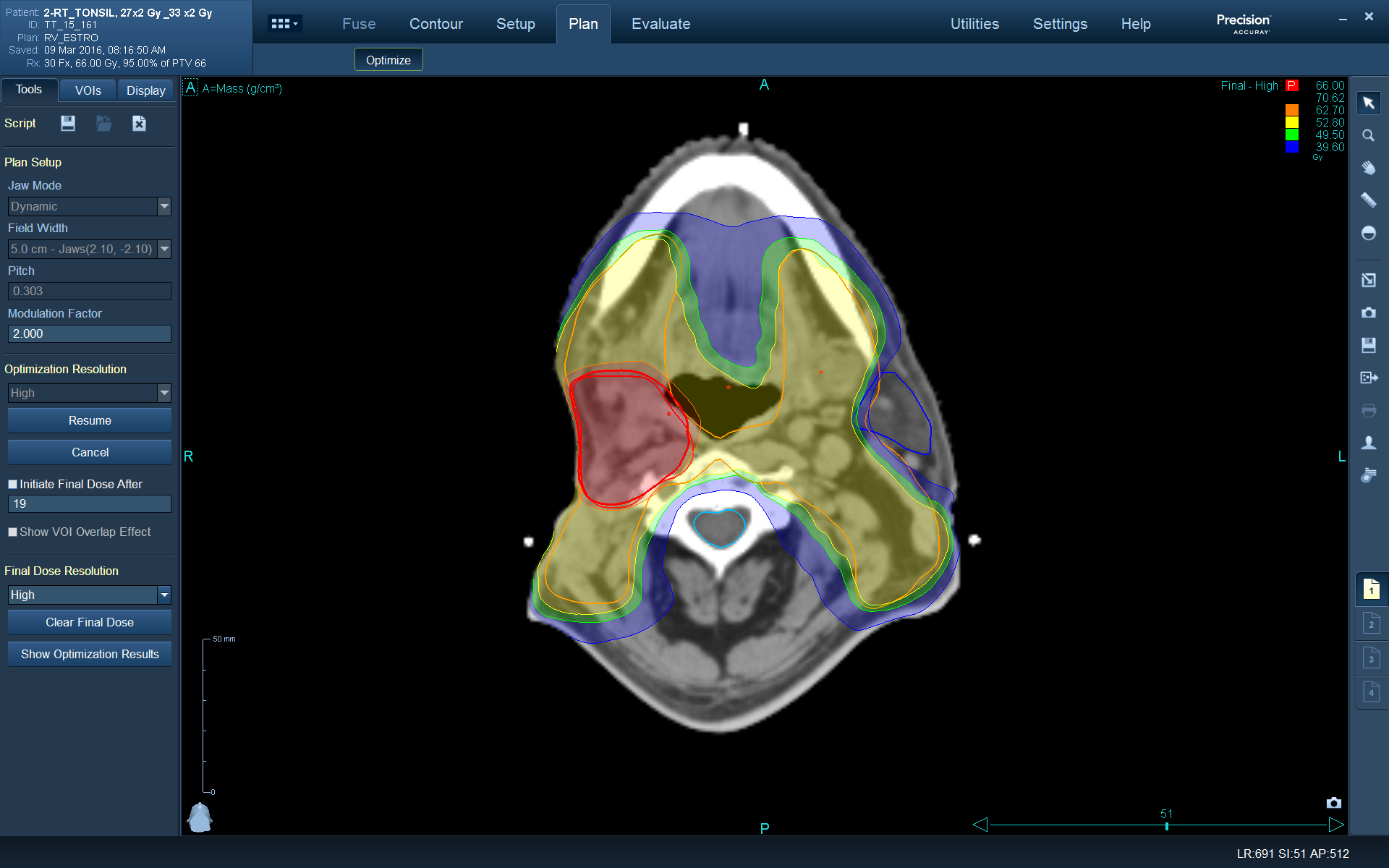
A prospective, multi-institutional clinical study supported by the French National Cancer Institute (INCa: Institut National du Cancer) demonstrated that patients with head and neck cancer treated with intensity-modulated radiation therapy (IMRT) showed a significantly better local control rate, cancer-specific survival rate and post-treatment salivary function when treated with Helical TomoTherapy
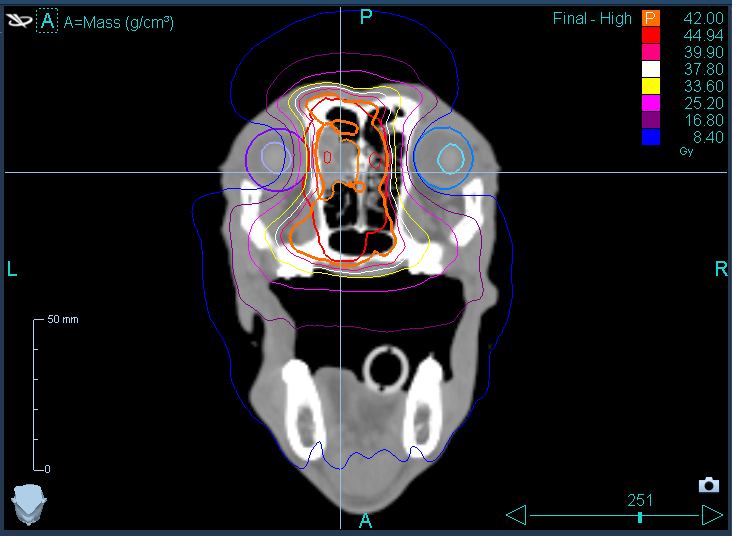
This case demonstrates the benefits of accurate and fast Accuray Precision® Treatment Planning System with VOLO™ Ultra in a dog with a squamous cell carcinoma in the nasal region
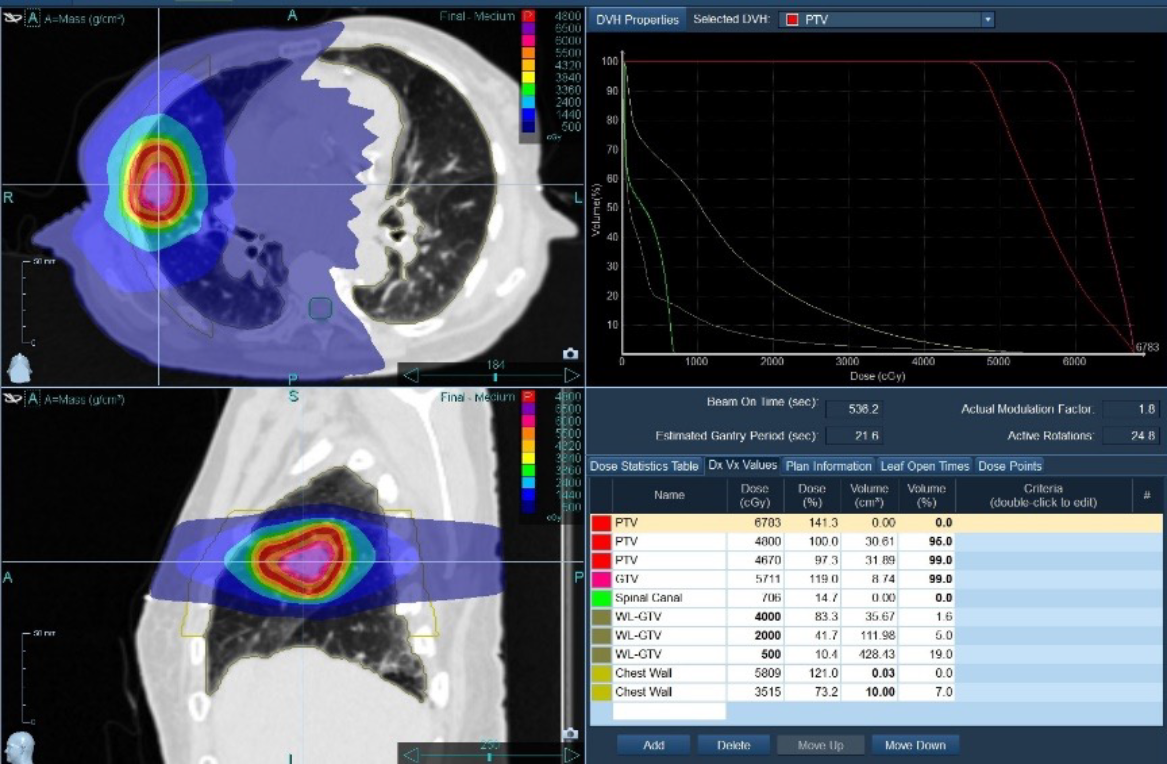
For frail patients with early-stage non-small cell lung cancer (NSCLC), where treatment toxicity and risk mitigation are of paramount importance, the Radixact® System with Synchrony® Lung Tracking™ with Respiratory Modeling is a promising approach to minimize the risk of radiation pneumonitis.
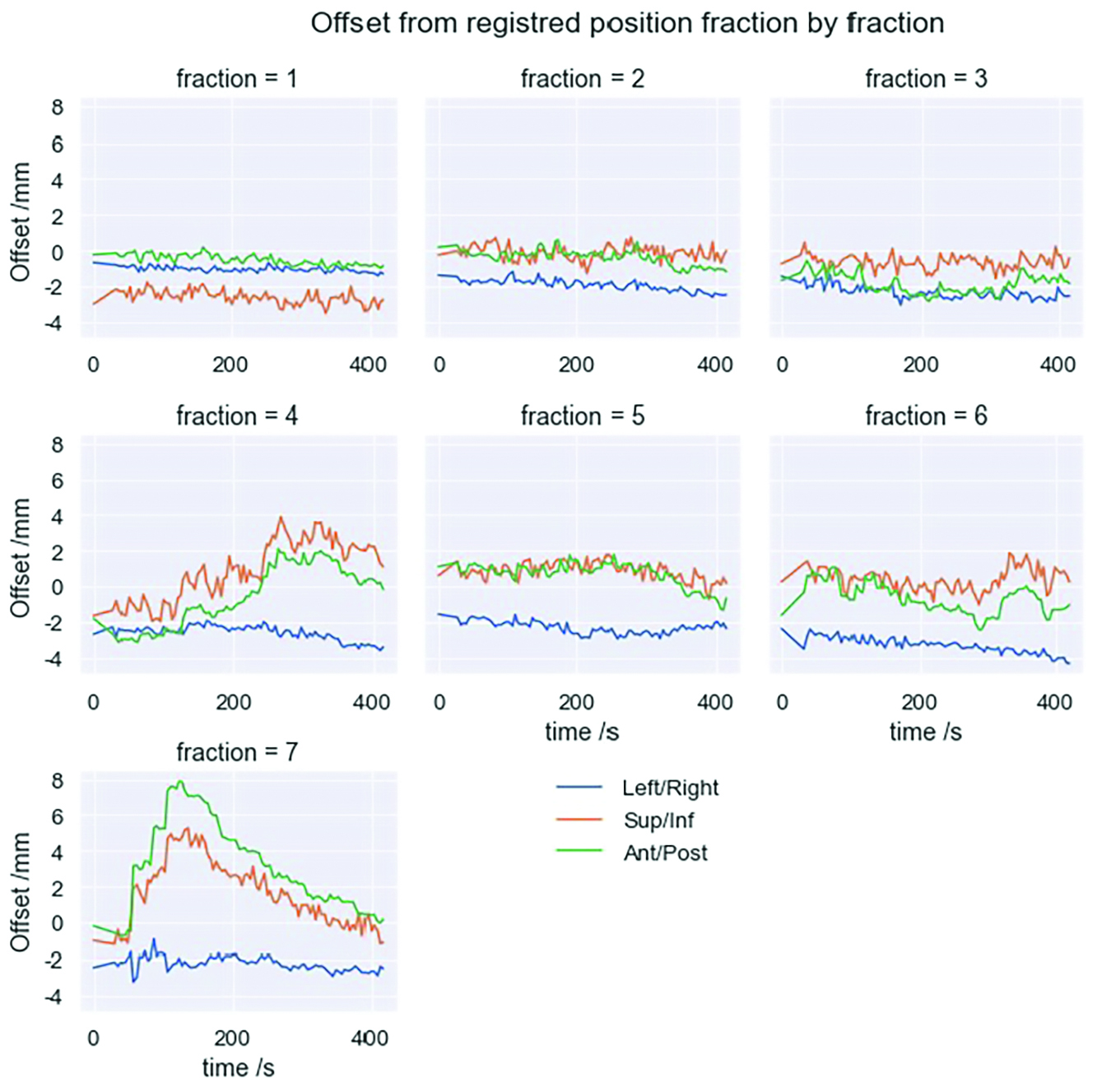
Here we present a case study centred on a patient with prostate cancer receiving hypofractionated treatment using Synchrony® Fiducial Tracking™, a real-time target tracking technology using MLC and jaw motion to correct for target motion. A synthetic CT was used as a reference for dose planning, fiducial recognition and image