Treating Lung Cancer with Synchrony®
Radiation therapy is a key treatment for patients with lung cancer. Stereotactic body radiotherapy (SBRT) offers improved outcomes and minimizes toxicity over conventional methods. But with the target moving as much as 50 mm during a fraction delivering precise, high-dose treatments can be challenging.
Motion Synchronization Gives Clinicians Precision and Accuracy Without Compromise
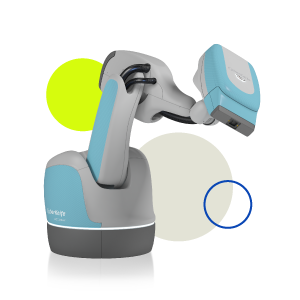
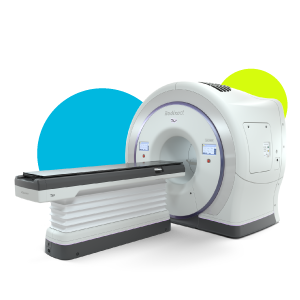
With Synchrony® real-time adaptive solution on the CyberKnife® and Radixact® Systems, Accuray helps healthcare providers ensure accurate delivery to the target.
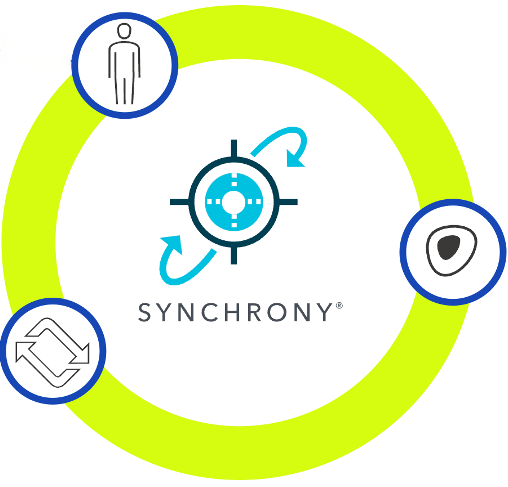
Automated, real-time tracking, detection and beam correction synchronizes the treatment beam delivery with target motion enabling high-quality SBRT, efficient delivery and greater confidence in the delivery of the treatment plan.


Our Commitment to Lung Cancer Patients and Clinicians
Accuray is committed to ‘Quality of Care,’ ‘Efficiency in Care,’ and ‘Confidence in Care.’ It’s what drives us to advance treatment options to support healthcare providers in the fight against lung cancer.
Quality of Care
Synchrony enables continuous delivery of radiation treatment to tumors while they are in motion by synchronizing the delivery beam position to the tumor location precisely, with sub-millimeter accuracy. This can help you reduce margins and escalate dose – minimizing toxicity to healthy tissue and improving treatment effectiveness.
Efficiency of Care
Synchrony technology helps eliminate the need for restrictive motion management techniques, allowing you to streamline SBRT treatment processes and provide a more comfortable experience for your patient.
Confidence in Care
AI-driven technology empowers you to track treatments dynamically, helping to ensure precise tumor targeting, even if it shifts due to breathing or other movements. This approach allows you to confidently address the individual clinical needs of each patient.